
Having a small bedroom doesn’t mean sacrificing style, comfort, or personality. In fact, it’s the perfect opportunity to get creative and intentional with your space.
Whether you’re working with a tight floor plan or an awkward layout, the key is to choose design strategies that make your room feel spacious, functional, and uniquely yours.
Below are 15 fresh and thoughtfully named bedroom ideas for small rooms each one described in depth to help you turn even the tiniest room into a cozy sanctuary.
1. The Sky Shelf Hack
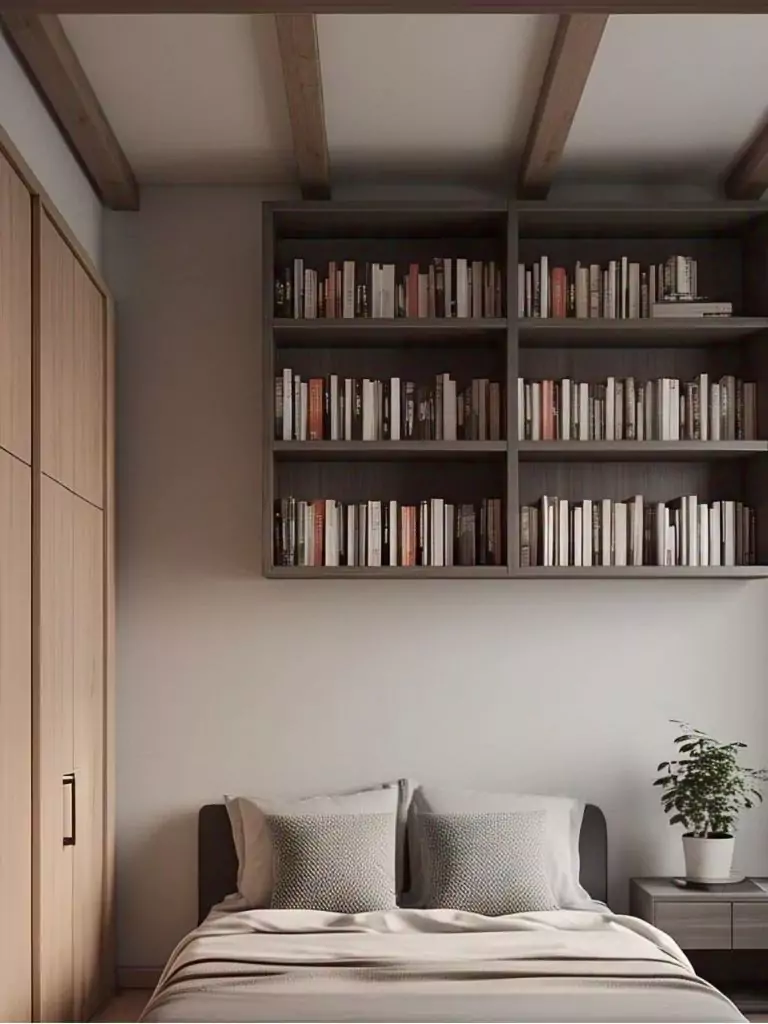
In small bedrooms, floor space is gold . but wall space is often underused. That’s where the Sky Shelf Hack comes in.
By installing shelves closer to the ceiling — above door frames, windows, or your bed. you gain valuable storage without cramping the room’s layout. These shelves can hold books, boxes, or decorative items, clearing up lower surfaces and making the entire space feel more open.
More than just practical, this technique also tricks the eye into perceiving greater height in the room. The visual pull upward draws attention to the vertical dimension, which can dramatically shift how spacious your room feels. If you’re dealing with clutter or limited closet space, this simple hack is a game-changer.
2. The Disappearing Bed
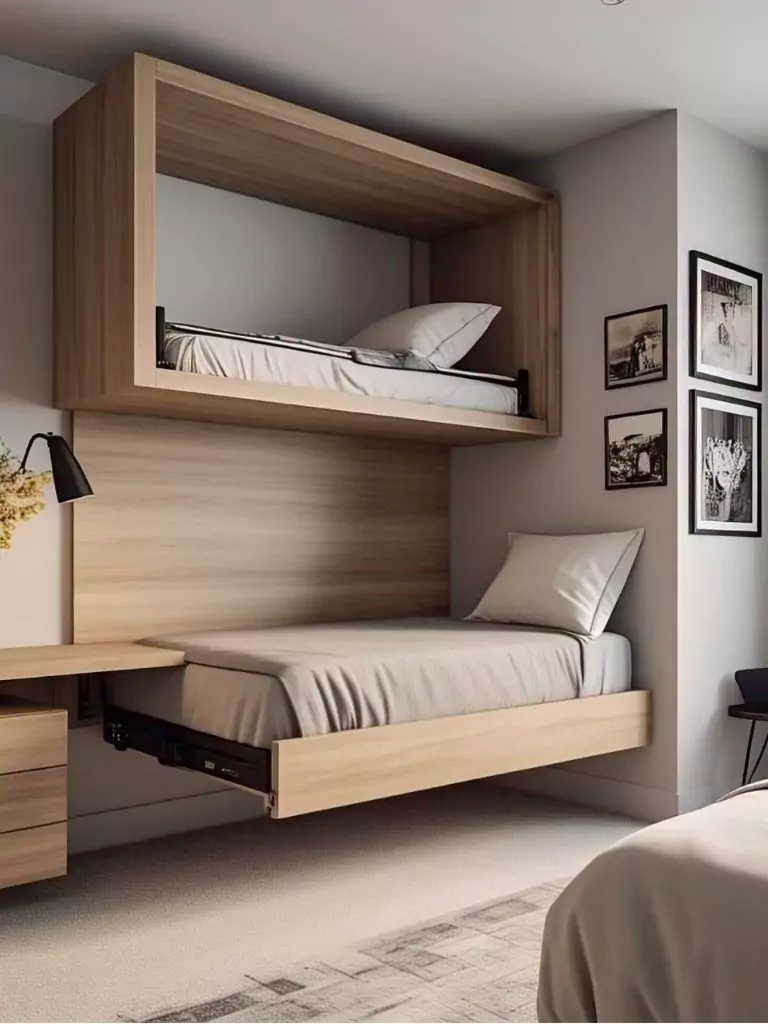
If your bed eats up most of your square footage, it’s time to rethink its role. The Disappearing Bed refers to beds that fold, slide, or lift to free up space when not in use. Murphy beds, for instance, vanish into the wall, while daybeds or trundle beds serve as sofas by day and sleeping spots by night. Loft beds create vertical zones, opening up the floor below for storage, a desk, or a cozy reading nook.
This approach gives your room flexibility — something that’s often missing in small layouts. Instead of being dominated by one large piece of furniture, the room becomes multifunctional. Whether you’re a student, a studio dweller, or just someone who wants to make better use of your space, this idea blends form and function beautifully.
3. The Barely-There Palette
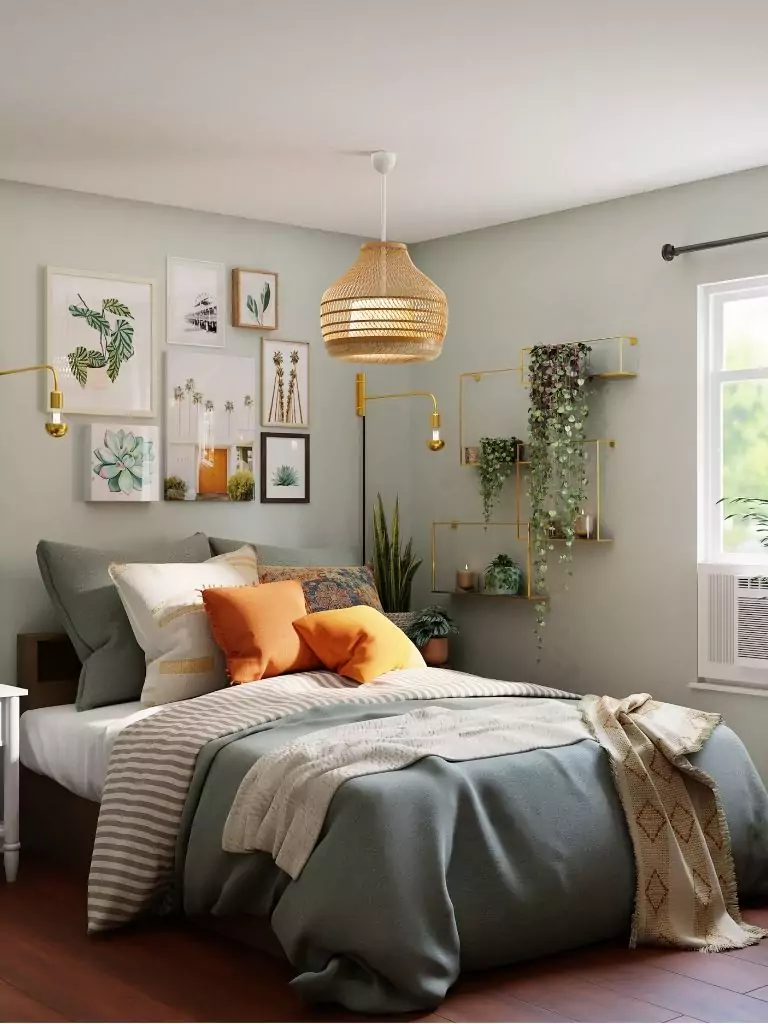
Colors can make or break a small room. The Barely-There Palette focuses on soft, subtle shades like off-white, muted greys, pale beige, and dusty pastels to create an airy, seamless feel.
These tones reflect light better, making the space appear larger and brighter. Unlike bold colors that create sharp boundaries, these hues blur the edges of your room, visually expanding it.
When combined with natural textures like linen, wood, and rattan, this palette offers warmth without overwhelming the eye. It’s especially effective in bedrooms where serenity and calm are priorities. Think of it as setting the tone for better sleep — literally.
4. The Double Agent Furniture Trick
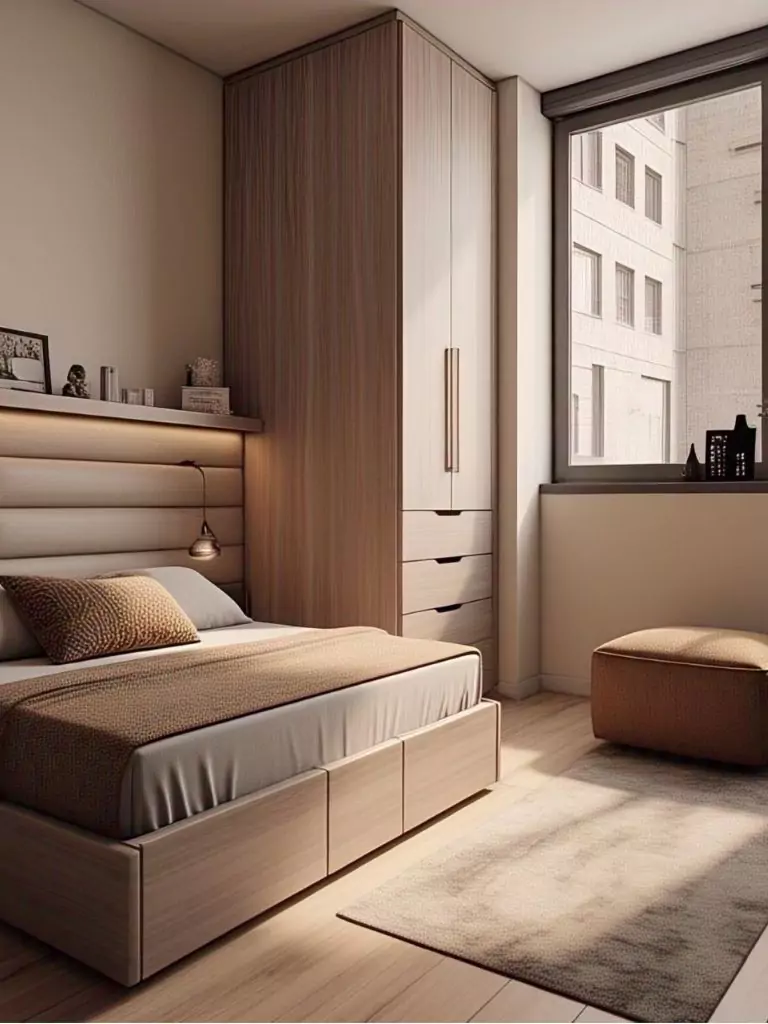
In a small bedroom, every piece of furniture needs to earn its spot. The Double Agent Furniture Trick is all about choosing multifunctional items — a bed with drawers underneath, a storage ottoman that doubles as a nightstand, or a desk that folds away when not in use. Instead of separate pieces for every need, this approach streamlines your setup and frees up space.
It’s not just a design trend; it’s a practical mindset. By minimizing excess and maximizing function, you create a room that feels clean and intentional. Plus, this trick reduces visual clutter, which makes any space — especially a small one — feel much more livable.
5. The Secret Stash Zone
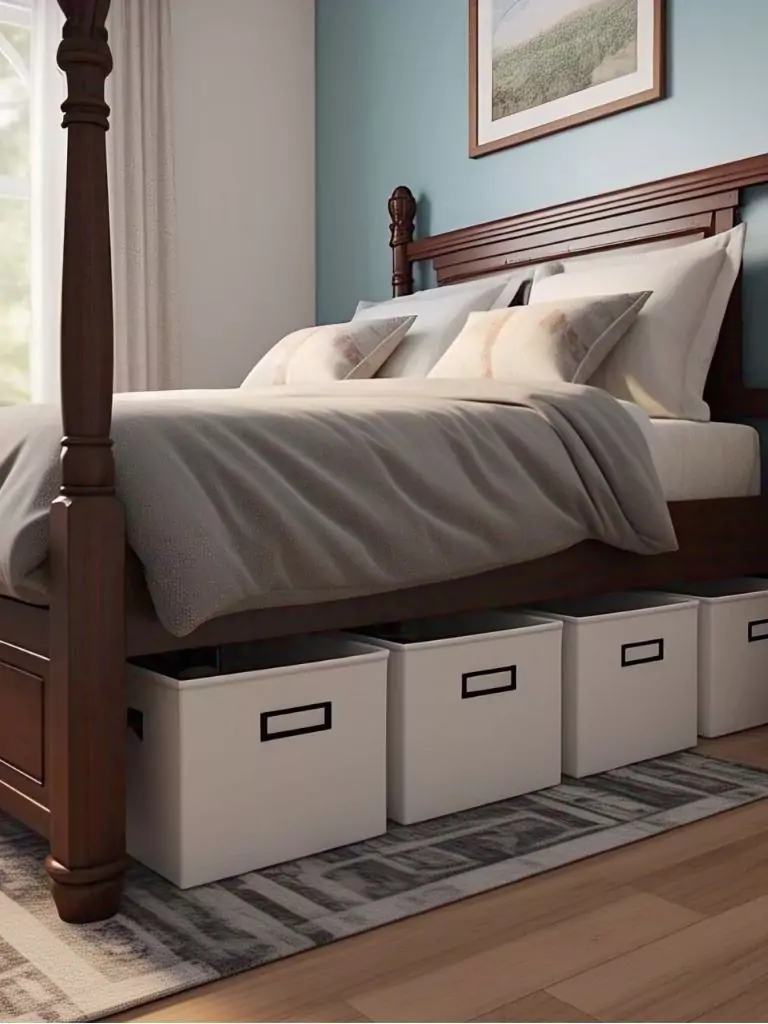
If your bed has open space underneath and you’re not using it, you’re missing out on prime storage real estate. The Secret Stash Zone transforms that overlooked area into a hidden hub for extra blankets, seasonal clothes, or anything else you don’t need daily. Whether you use under-bed bins, drawers, or baskets, it’s an easy way to reduce surface clutter.
This idea is especially helpful in rooms without much closet space. Out of sight doesn’t have to mean out of style — choose containers that fit your room’s aesthetic so they blend in seamlessly. It’s a small change that can make a big difference in how spacious and organized your bedroom feels.
6. The Illusion Mirror Play
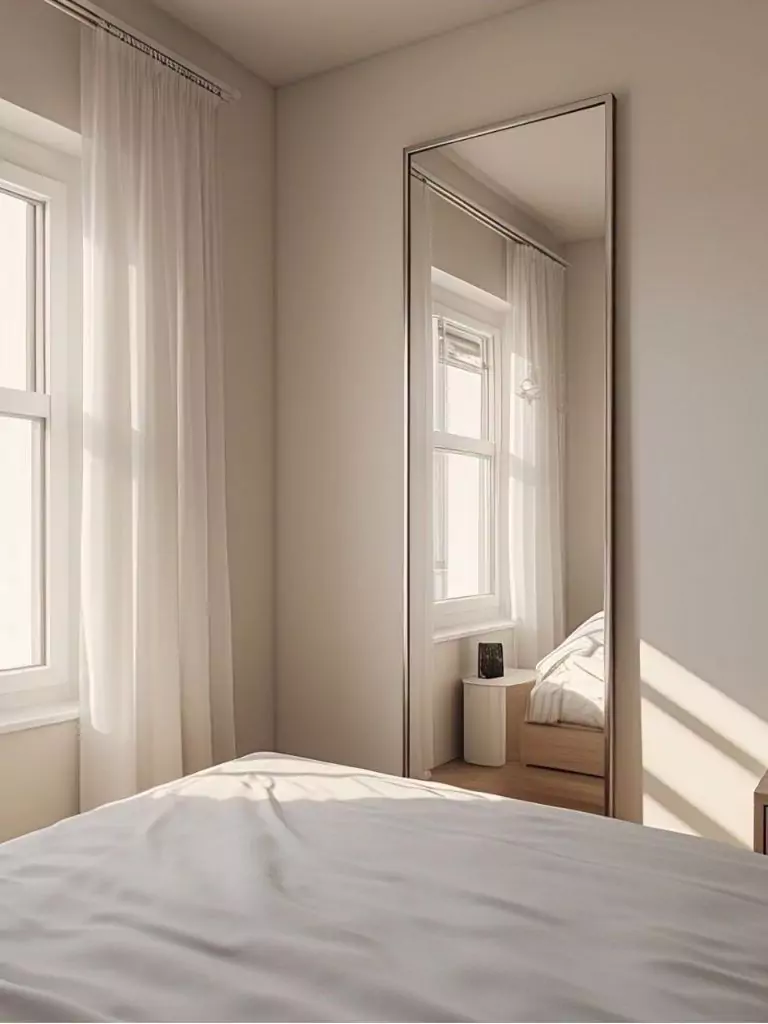
Mirrors can completely transform how your room feels — and that’s the magic behind the Illusion Mirror Play. By placing a large mirror opposite a window or in a spot that reflects light, you double the visual depth and brightness of the room.
It’s one of the oldest designer tricks in the book, and it works wonders in tight spaces.
A well-placed mirror also creates the illusion of continuity, making walls seem to extend further than they do. Whether it’s a floor mirror leaning against a wall or mirrored closet doors, this addition turns your compact bedroom into a light-filled retreat that feels twice as big.
7. The Floating Light Swap
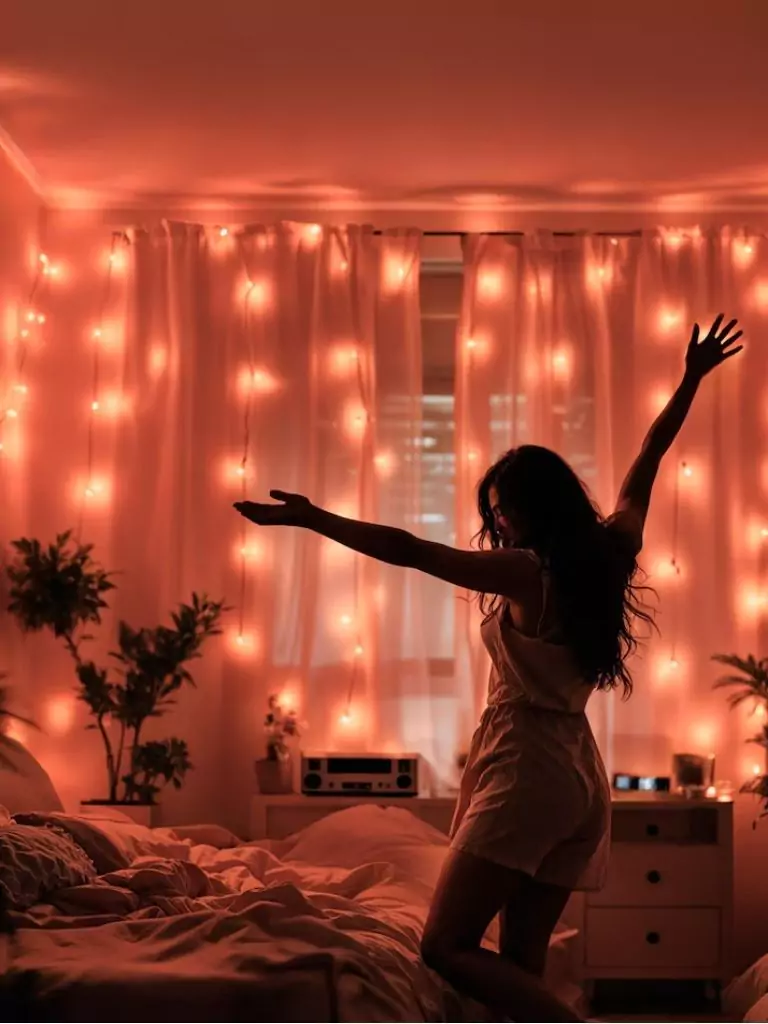
In small rooms, even lighting should serve space-saving goals. The Floating Light Swap means ditching table lamps for wall-mounted sconces or hanging pendant lights. This clears your nightstands or desks, giving you more usable surface area and a sleeker overall look.
This upgrade also adds character. Lighting is often one of the most overlooked elements of a bedroom, yet it has the power to create ambiance and set the mood. In small spaces, choosing lights that lift off the ground helps your layout feel more open and deliberate.
8. The Drama Wall
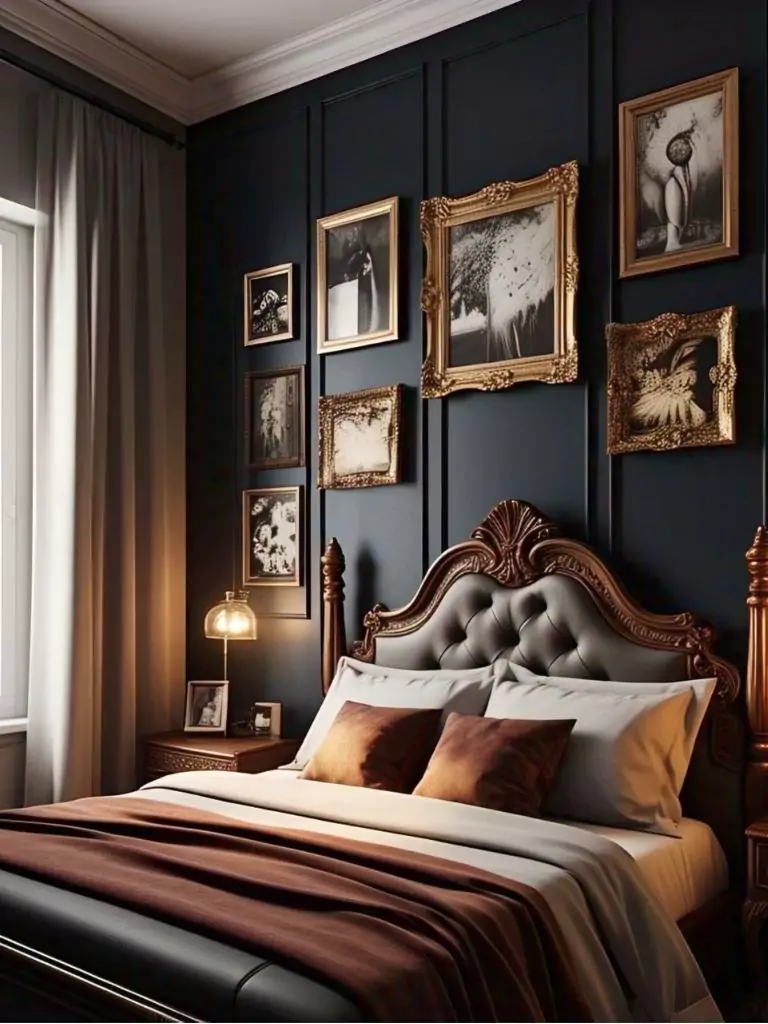
Don’t be afraid of bold design just because your room is small. The Drama Wall is a statement wall — painted, wallpapered, or paneled — that adds depth and personality to your space. Instead of overwhelming the room, it focuses attention on one area, often behind the bed, creating a stylish focal point that anchors your layout.
A dramatic wall can even change how you perceive proportions. Darker colors, for instance, can make the back wall feel further away, while textures add richness without clutter. It’s a powerful way to infuse personality without compromising space.
9. The Curtain Trick
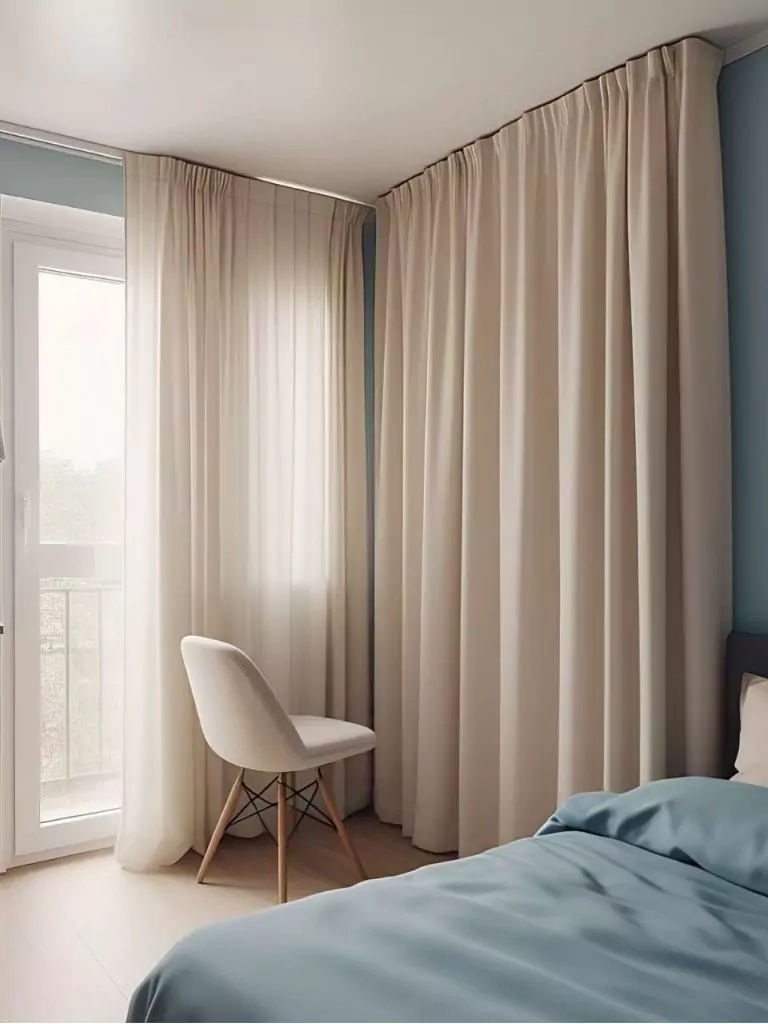
Curtains can do so much more than cover windows. The Curtain Trick involves using fabric panels to cover closets, divide zones, or soften harsh lines in your room. In a small bedroom, this technique helps create flow and flexibility, allowing you to conceal mess or visually break up different areas without building physical walls.
Hanging curtains higher and wider than the window frame also makes ceilings look taller and the window larger. It’s a subtle shift that has a dramatic effect, especially when paired with light, airy fabrics that let natural light filter through.
10. The Invisible Desk
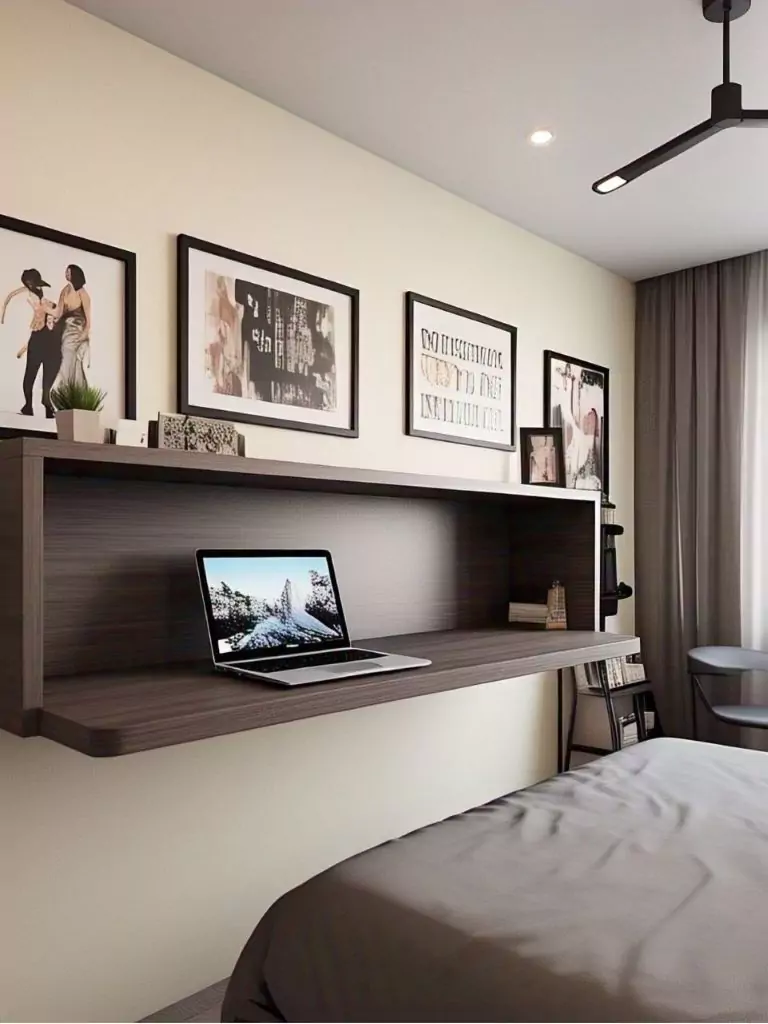
Need a workspace but don’t have room for a full-sized desk? The Invisible Desk concept is your solution. It involves using wall-mounted fold-down desks or minimalist shelves as a compact workstation that disappears or blends into the wall when not in use. This keeps your room open while still meeting your productivity needs.
For students, remote workers, or creatives, this setup is a lifesaver. You get a designated area to focus, without sacrificing sleep space or overcrowding the room. When paired with a slim chair or stool, it fits almost anywhere — even in awkward corners.
11. The Closet Recode
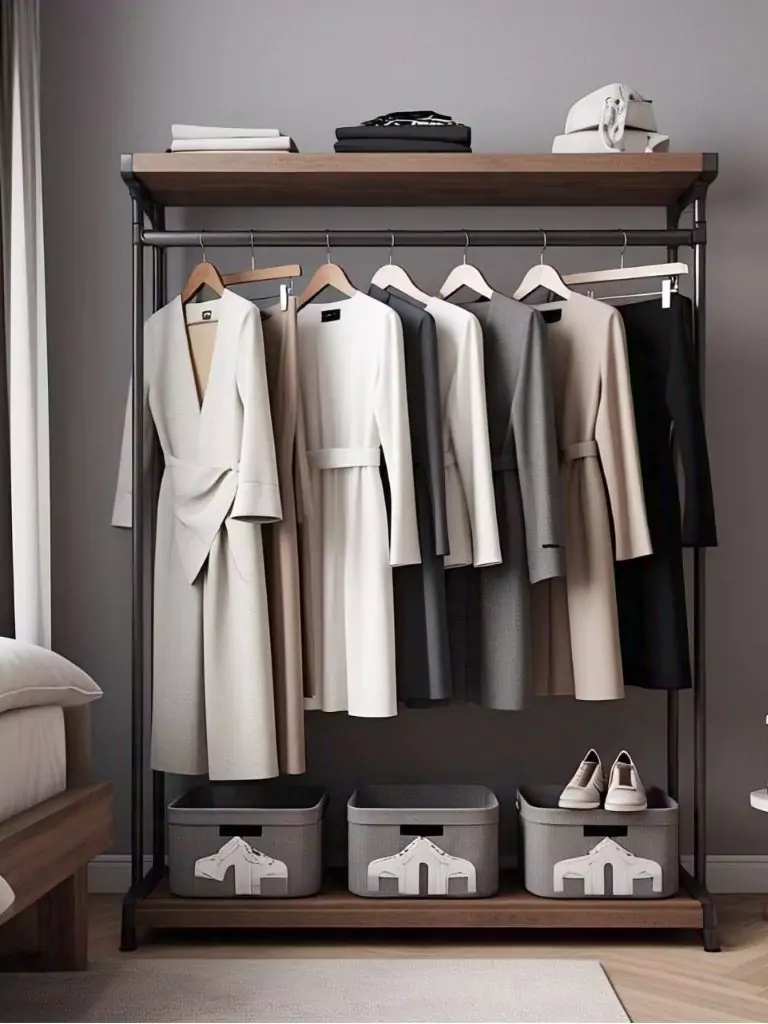
When your closet is small — or non-existent — you need to rethink the way you store clothes. The Closet Recode is all about replacing bulky wardrobes with sleek, open clothing racks, modular cubbies, or even wall-mounted rods. This keeps your clothes accessible, while maintaining an airy feel in your room.
Instead of hiding everything behind doors, this concept treats your wardrobe as part of your room’s design. Coordinated hangers, neutral tones, and thoughtful arrangement can turn a clothing rack into a chic decor element.
You reclaim both visual and physical space while staying organized and stylish — a must for small bedrooms where every inch counts.
12. The Fold & Float Method
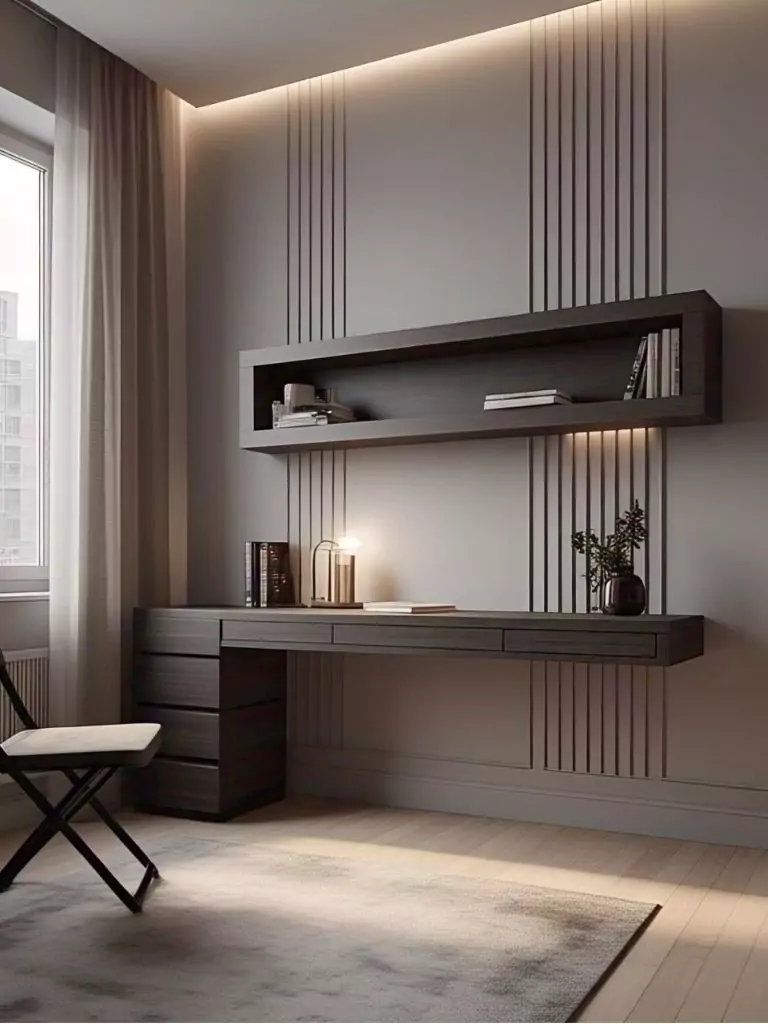
Bulky furniture can crowd your space quickly, especially when it’s only used part-time. The Fold & Float Method solves that by using foldable, wall-mounted, or stow-away furniture like floating desks, collapsible chairs, or fold-up benches. These items “disappear” when you don’t need them, opening up your floor and freeing your movement.
It’s perfect for those who only occasionally need a workspace or sitting area in their bedroom. Whether you’re folding up your desk after a work session or tucking away extra seating after guests leave, this method helps you control the layout of your room with ease. Flexibility is the new luxury in compact spaces.
13. The Rug Divide
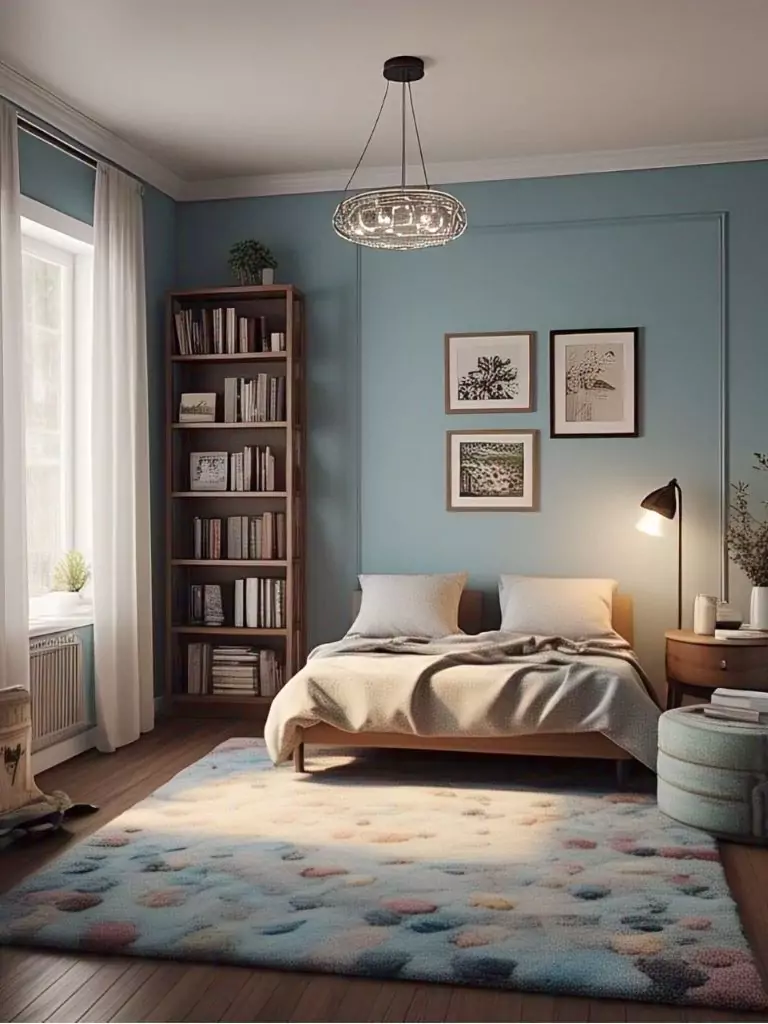
In a small room, zoning can make it feel like you have more than one functional area — even if it’s all within a few square meters. The Rug Divide technique uses area rugs to visually separate parts of your bedroom, like sleeping, working, or reading zones. One rug under the bed and another beneath a chair or desk can completely change how the space feels.
This subtle separation gives your room structure and depth. It encourages functionality without actual partitions or extra furniture. Bonus: rugs add texture, warmth, and sound absorption — all important features in smaller, echo-prone spaces.
14. The Up-Top Storage Solution
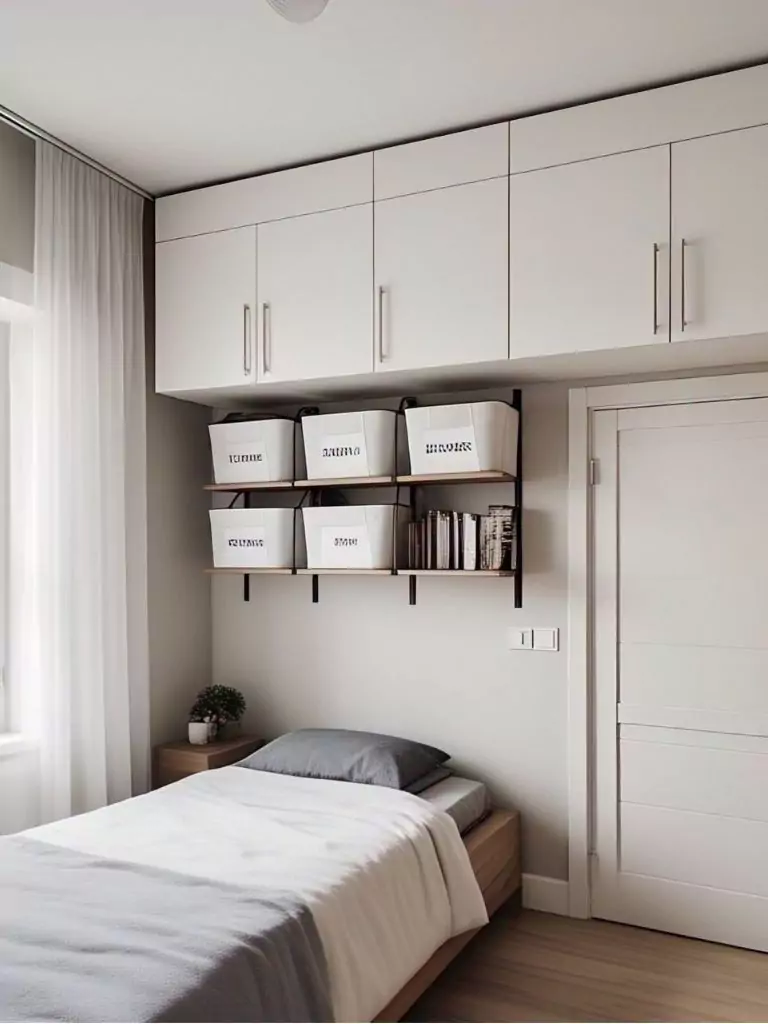
Often, the upper walls of a bedroom — especially above doors, windows, or closet frames — go unused. The Up-Top Storage Solution transforms these high-up areas into stylish, functional storage. Installing cabinets or cubbies along the upper perimeter of the room gives you extra space for items you rarely use, like winter bedding, travel bags, or keepsakes.
It’s a smart way to store without sacrificing aesthetics or flow. With sleek doors or matching bins, this kind of storage blends into the wall, maintaining a minimalist feel while silently handling your overflow. It’s an especially great option for renters or small-home dwellers who need more storage but can’t build in new closets.
15. The One-Wall Wonder
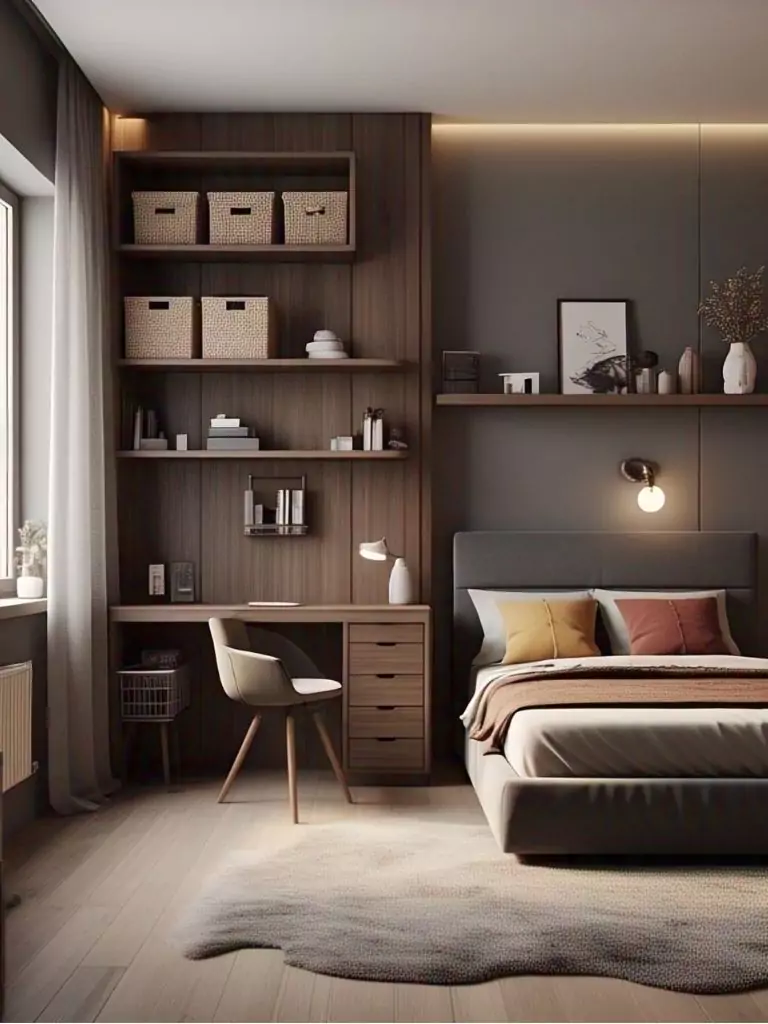
In small rooms, pushing everything against the walls often feels like the only option. But the One-Wall Wonder concept embraces that fully — by designing your room around a single, fully utilized wall. This could mean lining one wall with your bed, headboard storage, overhead cabinets, and even a desk extension or built-in lighting. Everything has a place, and it’s all unified along one smart layout.
This approach opens up the rest of the room, allowing better movement and a cleaner aesthetic. It’s a layout technique often used in tiny homes or studio apartments, but it works equally well in tight bedrooms, especially when symmetry and cohesion are prioritized in design. Think of it as creating a “command center” of comfort and efficiency.
Conclusion:
Designing a small bedroom doesn’t mean you have to sacrifice style, comfort, or function. With a little creativity and the right layout, even the tiniest room can become a beautifully efficient retreat.
Whether you’re floating your lights, folding away your furniture, or turning your walls into smart storage zones, each of these 15 ideas is proof that small spaces have massive design potential.
Remember, it’s not about how much room you have — it’s about how well you use it. Try mixing and matching these ideas based on your space and needs, and you’ll be amazed at how spacious your small bedroom can feel. Happy decorating!
