
Looking to breathe new life into your living room? Whether you’re redesigning from scratch or simply updating a few elements, the right ideas can completely transform your space.
From color palettes to furniture placement, here are 11 thoughtfully detailed interior living room ideas that will leave your guests wowed—and make you fall in love with your home all over again.
1. Beige is Back—and It’s Beautiful
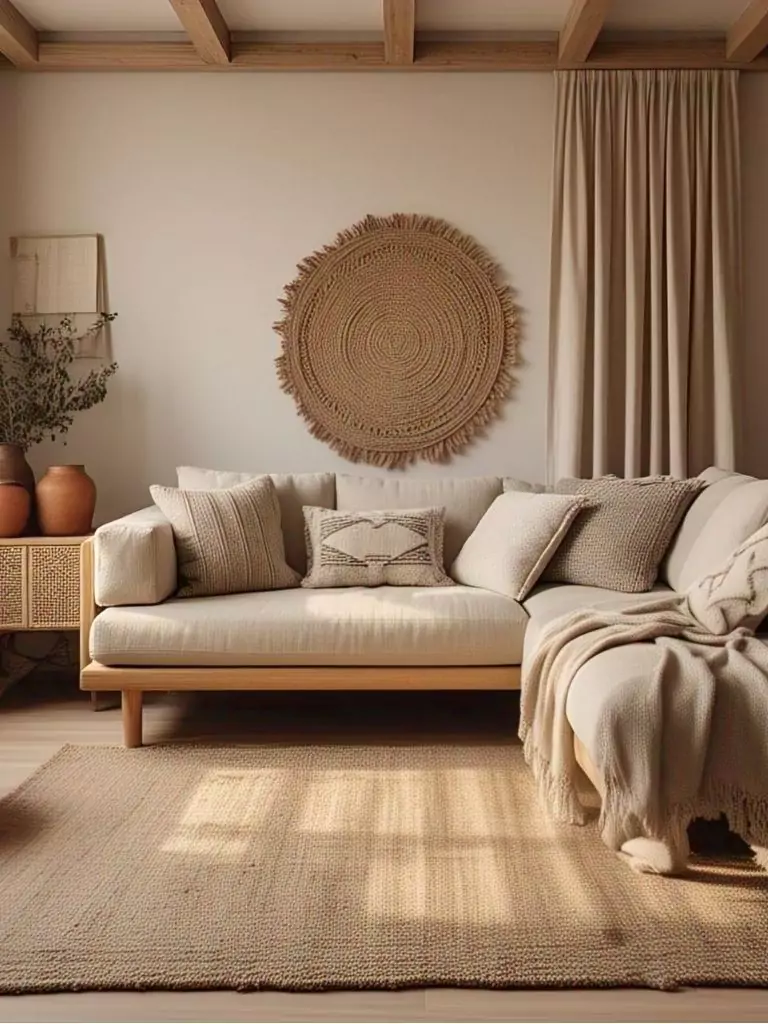
Beige is no longer just a safe choice—it’s a statement. This neutral tone is making a major comeback thanks to its soft, grounding presence and its ability to create a warm, inviting space. Layering different shades of beige—like ivory, sand, and tan—adds dimension while keeping things calm and cohesive.
To make beige feel fresh, pair it with natural textures like linen, wood, and jute. Add white trim, bronze accents, and soft lighting for a touch of sophistication. Whether you’re going for a minimal aesthetic or a relaxed boho vibe, a beige backdrop lets your decor and personal touches shine.
2. Neoclassical Touch: Grace Meets Grandeur
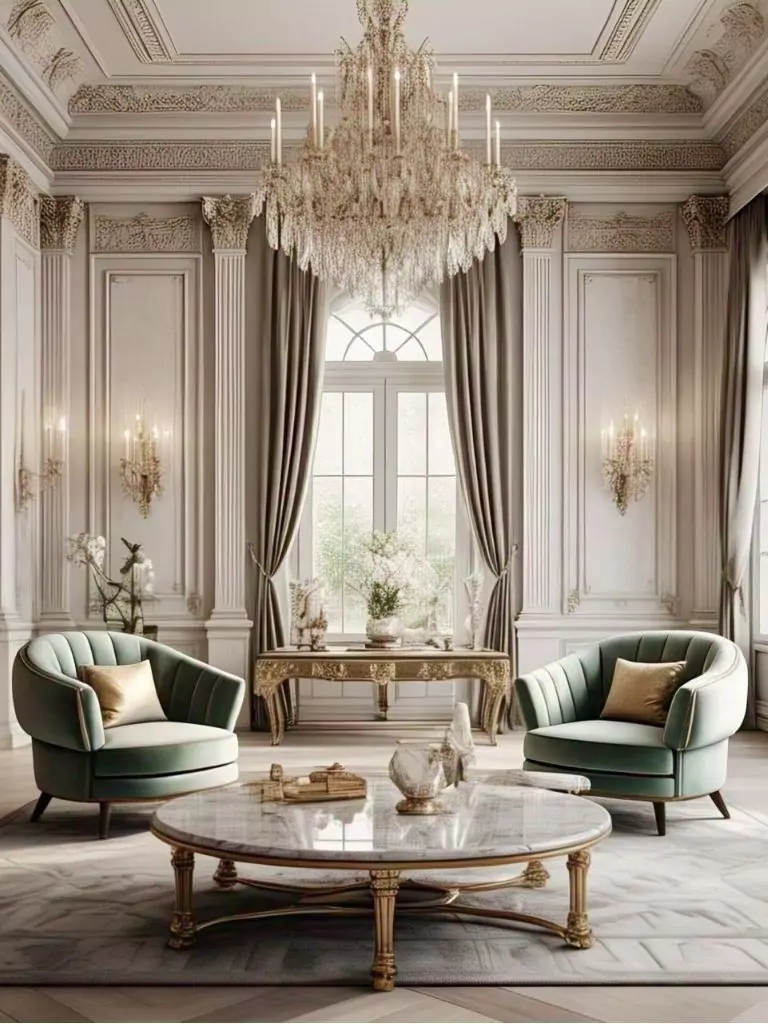
Neoclassical design blends old-world luxury with modern-day elegance. Think high ceilings, ornate moldings, and symmetrical layouts—but toned down with a modern twist.
A neoclassical living room often features a restrained color palette, such as dove gray, off-white, or soft sage, combined with luxurious materials like velvet, marble, and brass.
To bring this look to life, start with clean-lined furniture, then introduce antique-inspired pieces like an arched mirror or a tufted chaise. Gold-framed art, crystal lighting, and a marble coffee table elevate the space, creating a sense of timeless elegance that never feels stuffy.
3. Scandinavian Simplicity with Cozy Layers
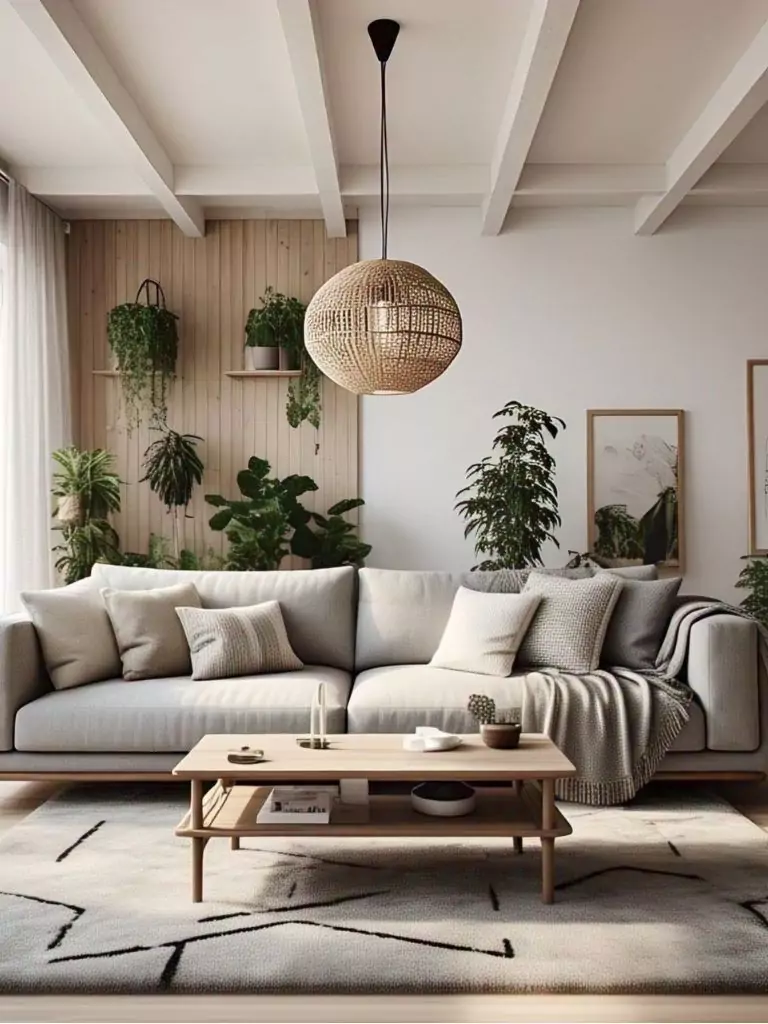
The Scandinavian aesthetic is rooted in simplicity, function, and comfort. It’s known for its use of neutral colors, clean lines, and natural light—but it’s the cozy layers that make it truly livable. White or soft gray walls set a crisp tone, while light wood floors, wool rugs, and oversized throw blankets add warmth.
Keep the furniture minimal—opt for pieces that serve multiple functions, like a storage ottoman or a nesting table. Add hygge-friendly touches such as ceramic mugs, soft textiles, and greenery to soften the clean lines and invite relaxation. Scandinavian design proves that less can definitely be more.
4. Japanize Style: Minimal, Yet Inviting
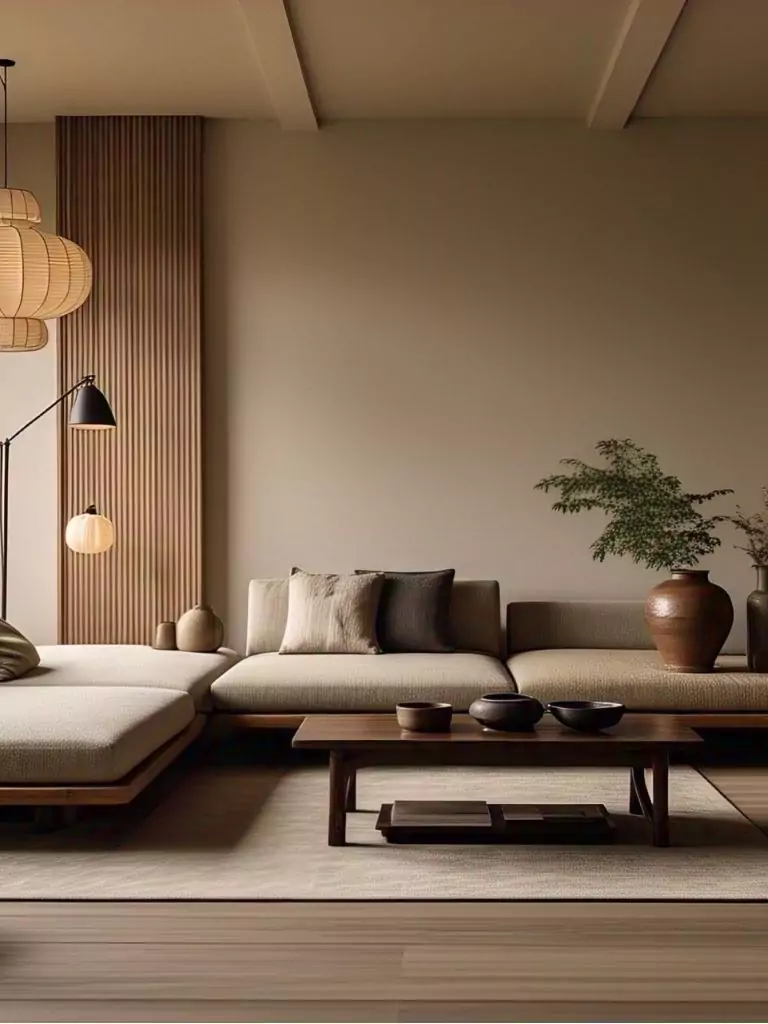
Japandi is a fusion of Japanese and Scandinavian styles, offering the best of both worlds: minimalist design and warm functionality. This trend focuses on clean lines, earthy tones, and natural materials like bamboo, linen, and clay. The key is to keep your space clutter-free, yet full of character.
A Japandi living room might feature a low-profile wooden sofa, a neutral color palette, and carefully curated decor pieces. Focus on craftsmanship—handmade vases, paper lanterns, and organic textures work beautifully here. It’s a style that radiates peace and mindfulness without ever feeling empty.
5. Go Dark with Flooring for Drama and Depth
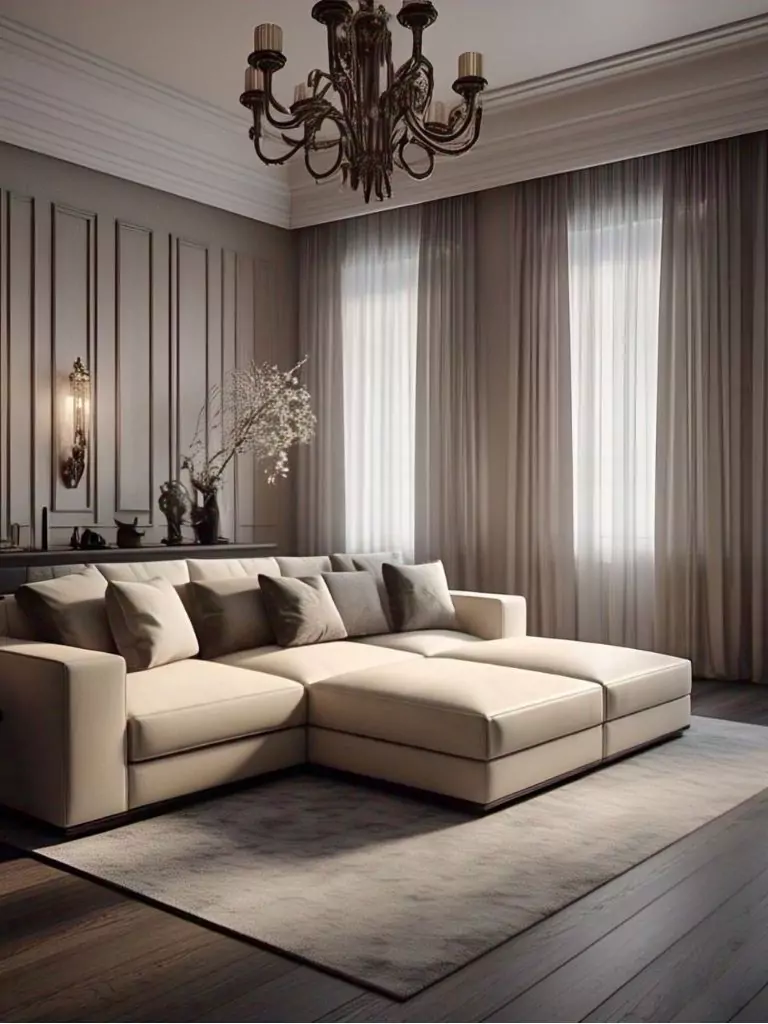
Light floors are lovely, but dark floors offer something truly bold. Deep walnut, espresso-stained hardwood, or dark stone tiles create instant contrast and make lighter elements pop. They ground the space, adding richness and elegance, especially in rooms with ample natural light.
To balance the darkness, pair your floors with lighter walls and furniture. Cream, white, or pastel accents bring out the beauty of the floor without overwhelming the space. Add metallic or matte black hardware to tie everything together for a modern yet dramatic finish.
6. Layered Lighting to Set the Mood
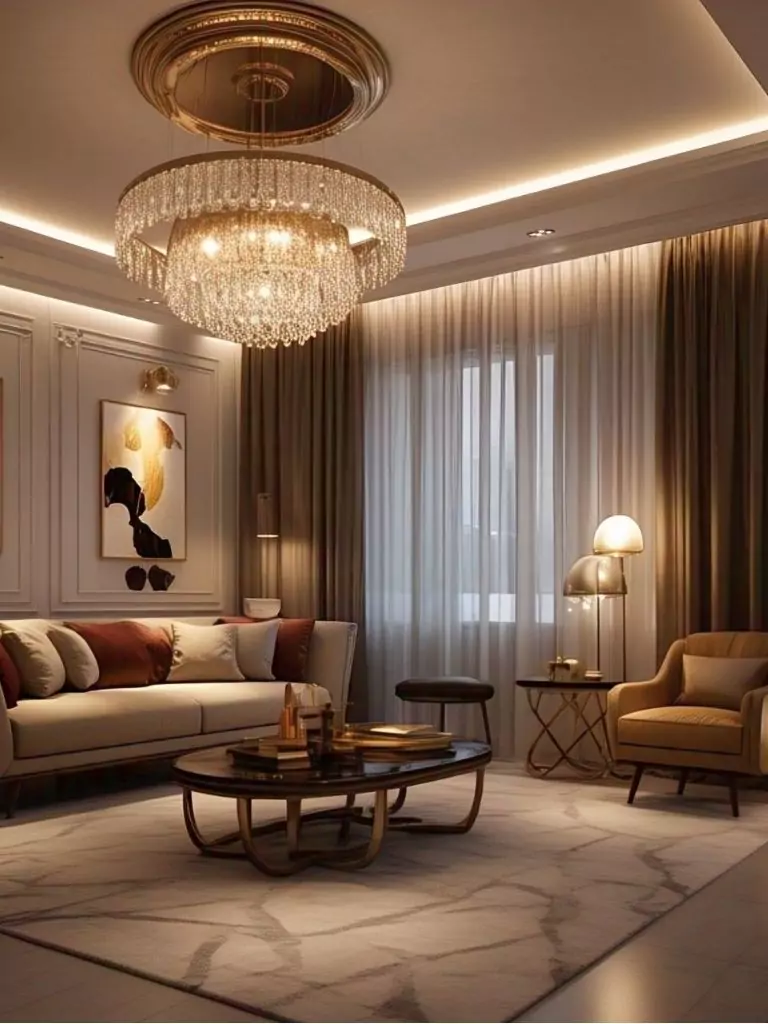
Lighting is more than just a necessity—it’s a design feature in its own right. Instead of relying on one overhead fixture, embrace the concept of layered lighting. Combine ambient lighting (ceiling fixtures), task lighting (floor or table lamps), and accent lighting (wall sconces or LED strips) for a space that feels dynamic and tailored.
Layered lighting allows you to create zones within your living room. Use softer bulbs in the reading corner, brighter ones near your workspace, and warm, dimmable lights around the sofa for evening unwinding. This intentional approach transforms your room throughout the day and enhances its overall ambiance.
7. Bring Nature Indoors with Organic Accents
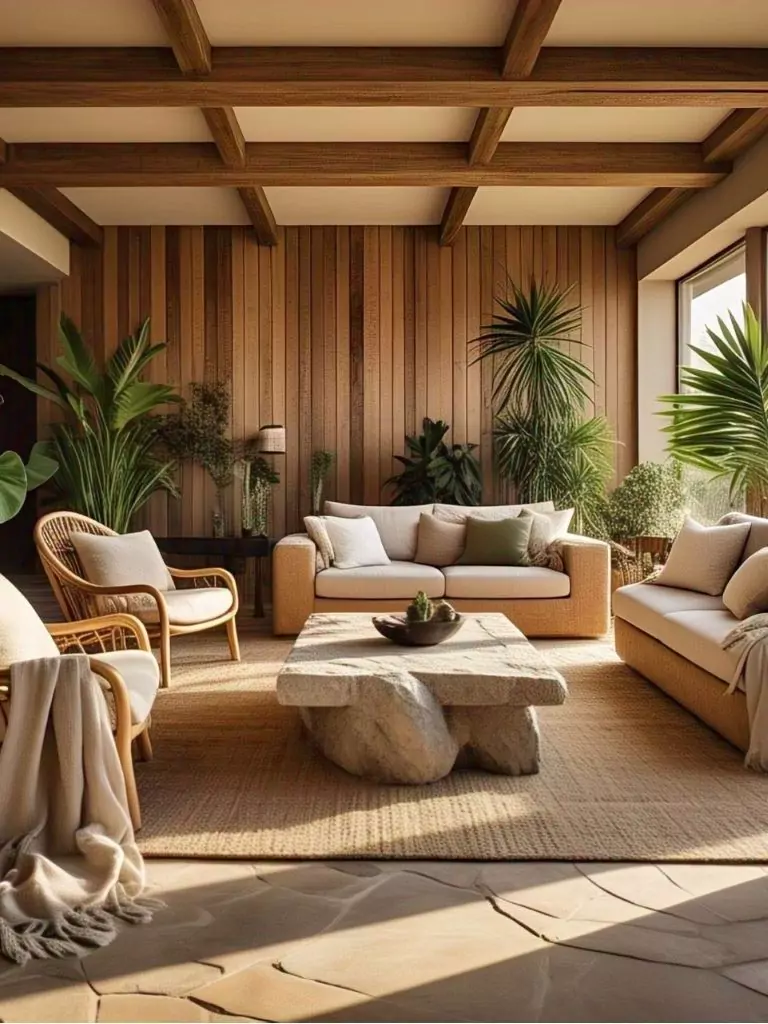
Natural elements have a grounding effect in any living space. Incorporating materials like wood, rattan, stone, and linen creates a harmonious connection with nature and promotes well-being. Plants, whether in hanging baskets or large pots, add vitality and a splash of green that livens up the entire room.
You don’t need to go full jungle to benefit from biophilic design. A single oversized fiddle leaf fig, a reclaimed wood coffee table, or a stone vase can anchor your room in nature. Pair these elements with neutral walls and minimalist furniture to let nature take center stage.
8. Make a Statement with Oversized Art
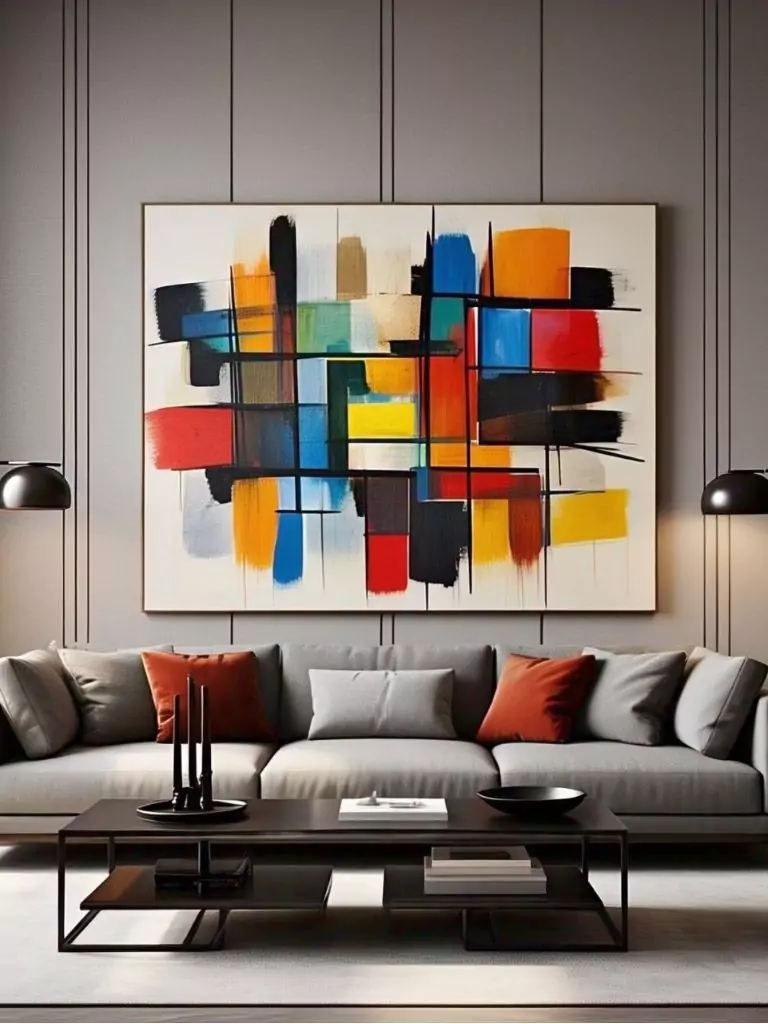
Forget tiny framed prints—large-scale artwork can make your living room feel like a gallery. Whether it’s a bold abstract painting, a photographic print, or a mixed-media piece, oversized art adds impact and draws the eye immediately. It’s an easy way to inject color and personality into a room.
Choose a piece that reflects your taste and use it as the starting point for your design. Keep the surrounding decor simple to avoid competing for attention. Alternatively, create a cohesive theme by echoing the colors or shapes from the artwork in your pillows, rugs, or accessories.
9. Float Your Furniture for a Luxe Layout
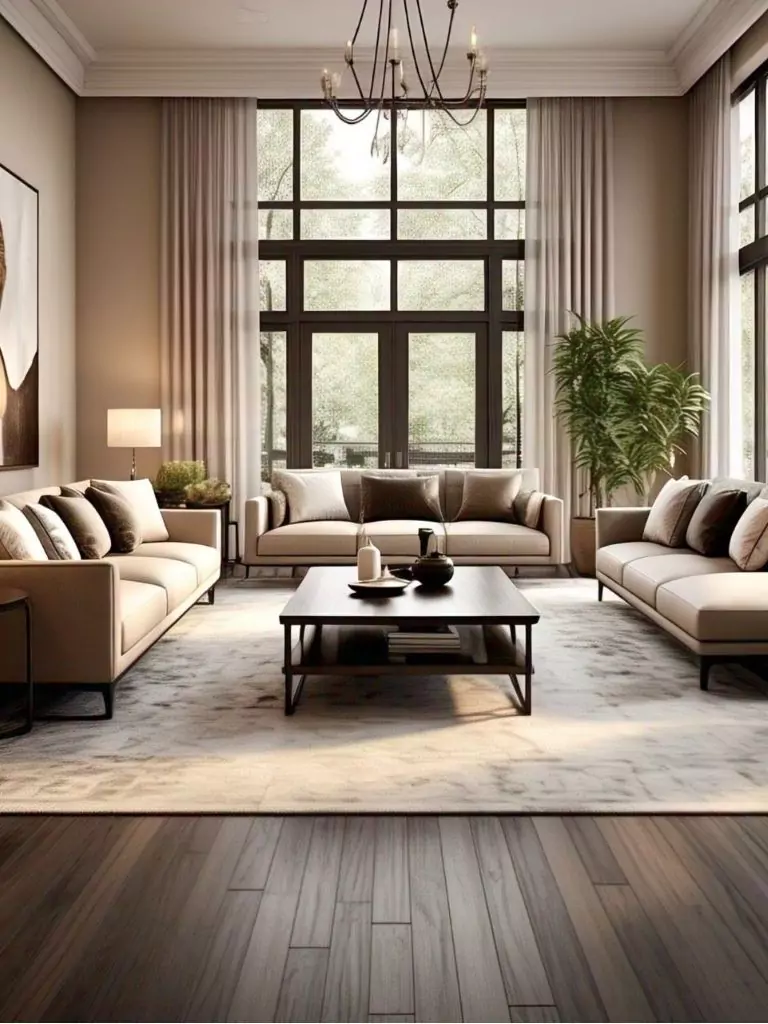
Pushing furniture against the wall is a common habit—but it can make your living room feel stiff and underwhelming. Floating your furniture (especially sofas and chairs) in the middle of the room creates a sense of space, encourages conversation, and allows for more flexible design.
Use a large area rug to define the central zone and place a coffee table within reach of all seats. Consider using console tables or open shelving to “anchor” the furniture from behind. This approach works especially well in larger rooms and open floor plans, adding intimacy and functionality.
10. Layer Textures for Comfort and Style
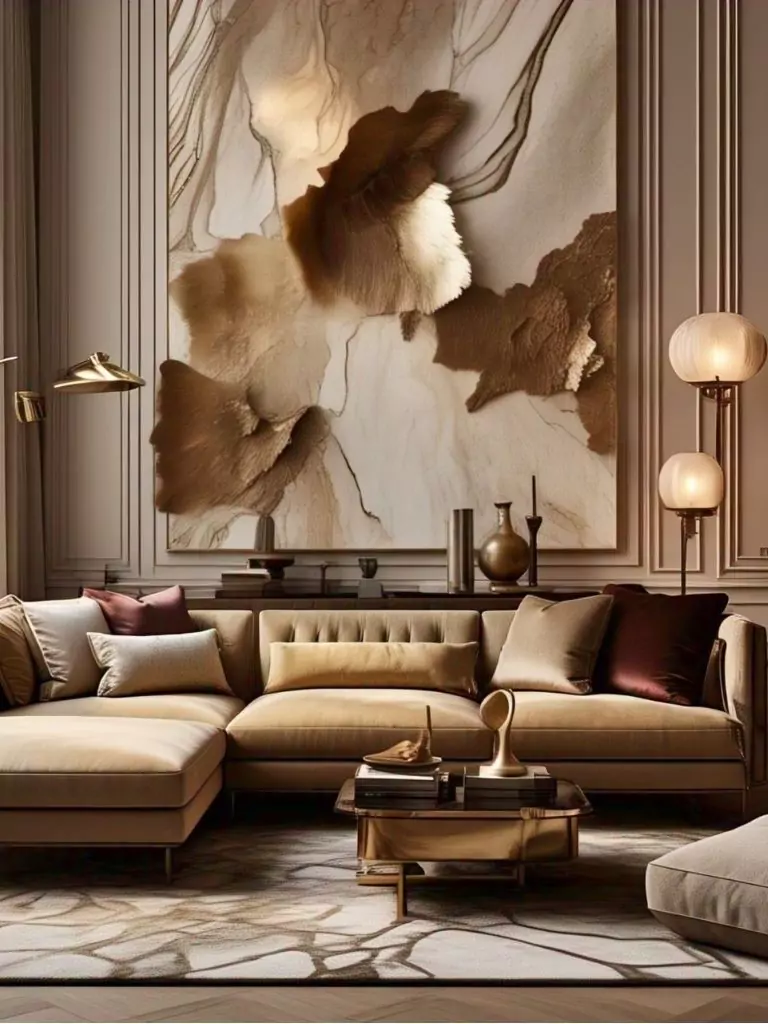
Texture is the secret sauce of interior design. It’s what makes a room feel complete and inviting. Think of combining different materials—smooth leather, fluffy wool, rough linen, cool marble, and soft velvet—all in one space. These contrasts bring your room to life without adding clutter.
Start with a foundational piece like a linen sofa, then build with complementary textures: a chunky knit blanket, a sisal rug, and velvet cushions. Even hard surfaces can be textured—like a hammered metal lamp or a matte ceramic vase. This depth creates a visually and physically rich experience.
11. Accessorize With Purpose
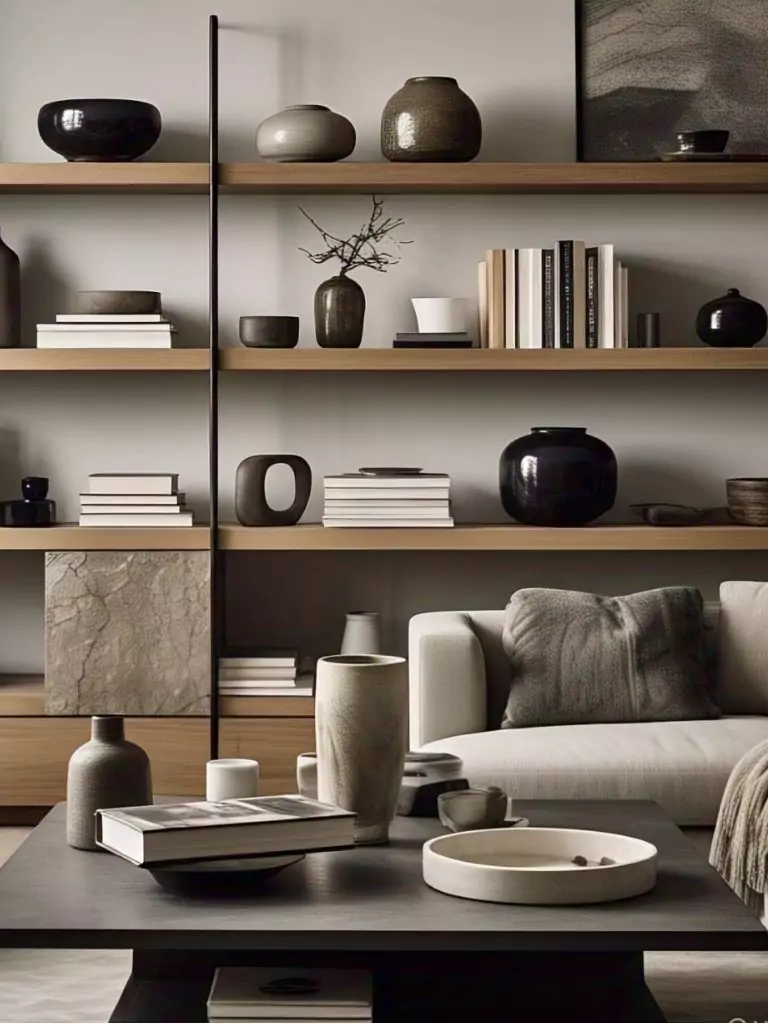
Accessories are more than finishing touches—they’re expressions of your lifestyle. Books, candles, trays, sculptures, and vases tell a story. Curate your accessories to reflect what you love, whether it’s travel, art, or cozy living. Group them in odd numbers and vary heights for a designer-approved look.
Rather than crowding every surface, choose a few intentional items that create interest. Mix materials like glass, wood, and stone, and keep the color palette in line with your overall design. With the right accessories, even a simple room becomes a personalized haven.
Final Thoughts
The perfect living room doesn’t follow rules—it reflects you. These 11 interior design living room ideas are meant to spark inspiration, whether you prefer earthy tones, artistic vibes, or minimalist calm.
Try a few ideas at a time, mix and match what speaks to you, and enjoy the process of transforming your space into something truly extraordinary.
